






A New Era in Pain Relief and Healing
Regenerative rheumatology offers promising treatments for those suffering from joint pain, arthritis, and autoimmune diseases. Aging is a natural and inevitable part of life, but with it often comes pain — in the form of arthritis, joint degeneration, memory loss, lung fibrosis, and even relationship issues.
While traditional medicines can alleviate symptoms, they cannot regenerate or rejuvenate the tissues or organs that have been affected. Diseased tissues need specific growth factors, proteins, or stem cells to regenerate and heal. This is where regenerative or interventional rheumatology comes in — offering hope for those looking to live pain-free and feel young again.
Understanding Rheumatology and Its Challenges
To truly understand the essence of regenerative or interventional rheumatology, it’s important to first look at the field of rheumatology itself and the diseases it encompasses.
Rheumatology deals with autoimmune conditions, which occur when the body’s immune system mistakenly attacks its own tissues. This leads to a range of symptoms such as joint pain, arthritis, and damage to various internal organs.
Unlike the joint pain that may follow a sore throat or an infection, which is often temporary and migratory (like in rheumatic fever), autoimmune conditions result in chronic and sometimes debilitating pain that is localized and persistent.
Common Autoimmune and Degenerative Conditions
Some of the major autoimmune diseases treated by rheumatologists include:
Rheumatoid Arthritis (RA): Typically affects the small joints in the hands and feet, causing
pain and stiffness, especially in the mornings.
Ankylosing Spondylitis (AS): Characterized by pain in the lower back or spine, mostly
affecting young to middle-aged men.
Lupus: Predominantly affects women, leading to symptoms like joint pain, skin rashes, hair
loss, and depression.
Systemic Sclerosis: Causes skin tightening and internal organ fibrosis, including lung
hardening that leads to breathing problems.
Sjogren Syndrome: A condition that causes dryness in the eyes, mouth, and other natural
body fluids.
Rheumatology also encompasses degenerative diseases such as osteoarthritis, often caused by aging or joint injury. These conditions cause painful bone friction in areas like the knees, hips, and back.
Other factors contributing to joint pain include waste material deposits like uric acid in gout, mechanical injuries from sports or improper posture, and even nutritional deficiencies like lack of vitamin D, which can lead to joint and muscle pain.
The Promise of Regenerative Rheumatology
For decades, the focus in rheumatology has been to manage pain and slow disease progression. However, it’s become clear that medications alone cannot regenerate tissues or reverse damage that has already occurred.
Regenerative rheumatology introduces an exciting new approach — offering treatments that work with the body’s natural healing mechanisms to regenerate tissue, reduce pain, and restore function.
Advanced Therapies in Regenerative Rheumatology
Regenerative therapies in rheumatology involve treatments that stimulate the body’s natural regenerative processes. These therapies aim to encourage tissue repair and rejuvenation, offering long-term solutions rather than just temporary symptom relief.
Here are some of the most advanced and widely used treatments in this field:
Prolotherapy: Involves injecting a dextrose or ozone solution into inflamed joints or injured
ligaments and tendons, stimulating the body’s own regenerative pathways.
Platelet-Rich Plasma (PRP) Therapy: Uses a patient’s own blood to concentrate platelets
containing growth factors that help repair damaged tissues.
Stem Cell Therapy: Utilizes stem cells (often mesenchymal) harvested from bone marrow, fat,
or umbilical cord blood to repair damaged tissues and promote long-term healing.
Bone Marrow and Fat-Derived Stem Cells: Provides relief from chronic pain and promotes
regeneration of healthy tissues using the patient’s own stem cells.
Platelet Lysate Therapy: Uses platelets broken down to release growth factors, which
encourage new protein production and cell regeneration.
Exosomes Therapy: Employs vesicles naturally produced by stem cells that regulate cellular
functions and accelerate tissue repair.
GOLDIC Therapy: Involves treating a patient’s blood with gold nanoparticles to release
rejuvenating molecules and growth factors.
Peptide Therapy: Uses small proteins to promote healing, collagen production, and tissue
regeneration.
What Sets Dr. Khoda Apart
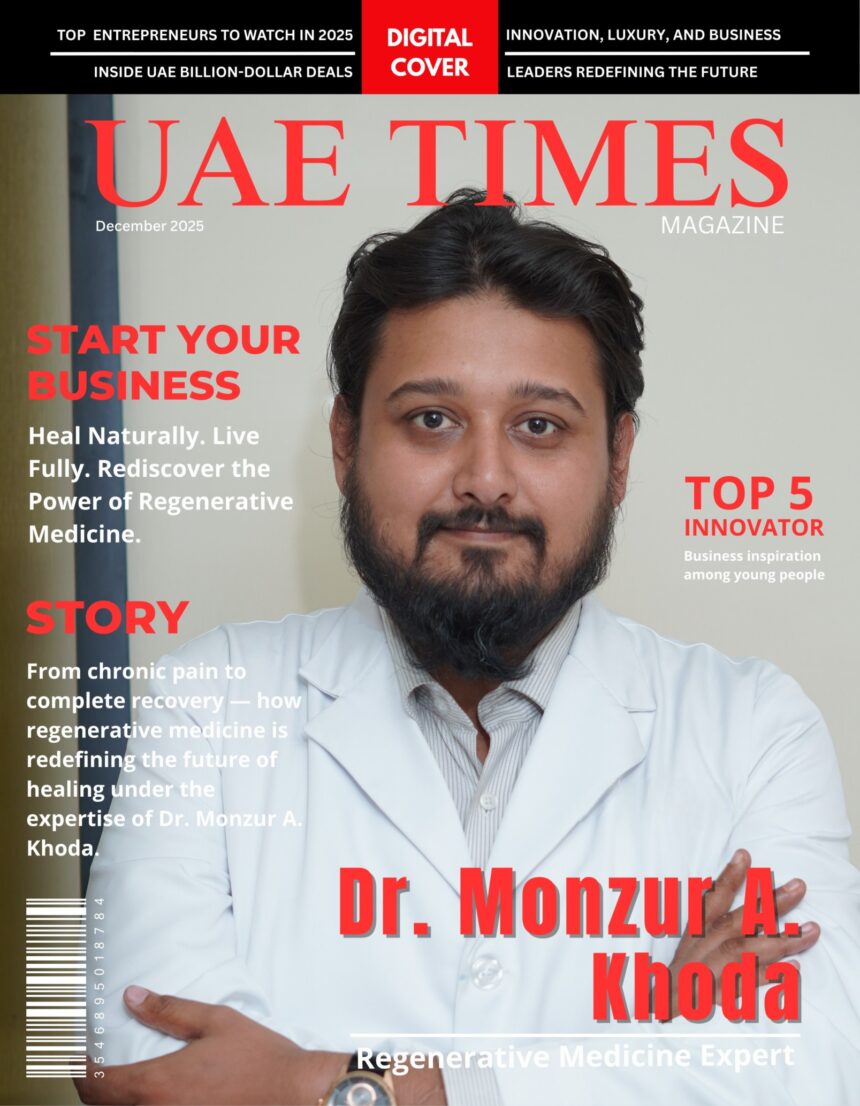
Today, Dr. Monzur Khoda stands as Bangladesh’s only interventional rheumatologist, blending cutting-edge medical science with holistic healing methods. His practice is centered around not just treating symptoms but healing the body naturally. By combining the latest advancements in regenerative medicine with sound therapy, cold therapy, and breathwork, Dr. Khoda offers his patients a holistic approach to pain relief and healing.
Dr. Khoda is renowned for his ability to relieve chronic pain without relying on traditional medication or invasive surgery. As a pioneer of regenerative medicine in Bangladesh, he utilizes therapies that promote the body’s natural healing processes, rejuvenating damaged tissues and enhancing mobility.
He is also highly adept in performing cutting-edge biologics/targeted therapies for autoimmune diseases. What is truly remarkable is that in a third-world country like Bangladesh, Dr. Khoda has been using monoclonal antibody therapies from world-renowned companies such as ROCHE, NOVARTIS, LILLY, ABBVIE, PFIZER, ASTRAZENECA, UCB, GSK, JOHNSON & JOHNSON, BAXTER, AMGEN, and others — where the local availability of these therapies is extremely limited.
The Future of Regenerative Rheumatology
As regenerative rheumatology continues to evolve, the future of pain management and tissue rejuvenation looks more promising than ever. Emerging therapies like exosome therapy hold great potential for enhancing the healing process and accelerating recovery.
With specialists like Dr. Monzur A. Khoda leading the way, countless individuals have regained mobility, reduced pain, and improved their quality of life through regenerative medicine.
If you are struggling with joint pain, arthritis, or an autoimmune condition, it may be time to explore regenerative rheumatology as an alternative to traditional treatments. These therapies offer new hope for healing, pain relief, and tissue regeneration.
Author Bio
Dr. Monzur A. Khoda, MBBS (RU), MRCP (London, UK), EULAR ECRD (Switzerland), MACP (USA), DABRM (USA), BMDC No. A-71434, is a leading Interventional Rheumatologist and Stem Cell Specialist at Popular Diagnostics, Shantinagar, Dhaka.
With years of experience, Dr. Khoda has dedicated his career to revolutionizing pain management and healing through regenerative medicine.
Learn more at 👉 www.drmonzurakhoda.com

